The Evolution of Fishing Gear Technology Through the Ages
At a Glance Fishing gear technology has evolved from primitive bone hooks and natural fiber nets…
Fishing gear technology has evolved from primitive bone hooks and natural fiber nets to sophisticated equipment incorporating sonar, GPS, and advanced materials. The Industrial Revolution introduced metal and synthetic materials, enabling mass production of stronger, more efficient rods, reels, and lines. Modern anglers now benefit from electronics that locate fish precisely, while sustainable practices increasingly guide gear development to protect aquatic ecosystems.
What you might not realize is that the equipment you’re using has undergone a massive evolution. From simple hooks carved from bone to high-tech sonar systems, the tools of the trade have dramatically changed.
This blog post explores the exciting history of fishing gear technology, detailing the clever innovations that have transformed the way we catch fish.
You’ll learn about the different types of gear, how they work, and how they’ve impacted the fishing industry.
This information will not only improve your fishing knowledge but also give you a new appreciation for the cleverness of the people who shaped this industry, encouraging you to keep reading and improve your grasp of this topic.
Key Takeaways
- The earliest fishing gear relied on basic tools made from natural materials.
- The Industrial Revolution brought about new materials and manufacturing methods, improving equipment.
- Modern technology, like sonar and GPS, has dramatically changed fishing practices.
- Different types of gear are suited for different fishing environments and species.
- Sustainable fishing practices are increasingly important in the development of new gear.
- Technological advances have had economic and environmental impacts on fishing.
Early Days of Fishing Equipment
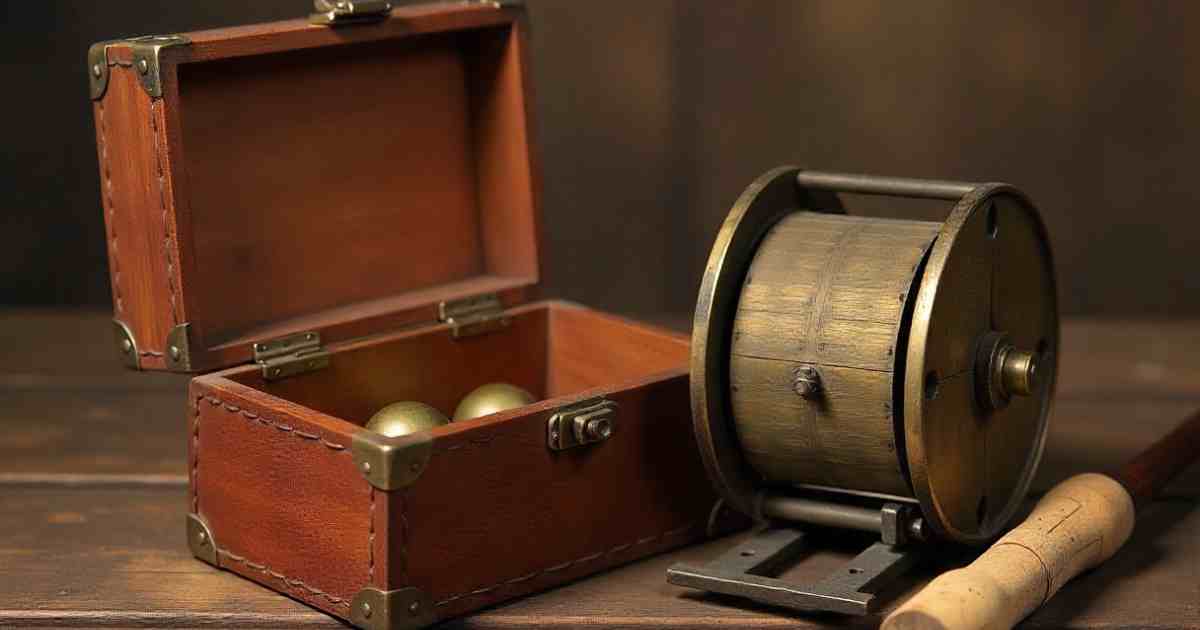
Fishing has been a part of human history since, well, humans. Early humans had to find ways to get food, and fishing was a reliable way to do it.
The very earliest fishing gear technology was simple and relied on what was available in the environment.
These were the tools that were created out of necessity, showcasing the resourcefulness of those initial fishers.
Primitive Hooks and Lines
The first fishing hooks were not made of metal; instead, they were crafted from bone, wood, stone, or even thorns.
These hooks were often designed in a curved shape to catch fish. The lines used to attach these hooks were made from plant fibers, animal sinew, or even hair.
These lines were carefully twisted or braided to create enough strength to pull in a catch. These tools weren’t sophisticated, but they got the job done for early fishers.
It showed how early people made smart decisions and inventions to make life easier.
- Bone Hooks: Bone hooks were strong and could be sharpened to a fine point.
Using bone hooks was smart because early humans were always trying to survive.
Bones were easy to come by, and with some skill, they could be transformed into useful fishing tools. This early fishing gear technology gave people a way to get food more reliably.
- Wooden Hooks: These were carved from wood and often covered with a sticky substance to catch fish.
Wooden hooks were another choice. They were usually covered with something sticky, like tree sap, to make the hooks more effective at catching fish. This helped fishers catch more fish and get more food to eat.
- Fiber Lines: Early lines were made from plant fibers that were strong when woven together.
Lines made from plant fibers were also a big deal. People would take strong plant fibers and twist them together to make lines that would not break when a fish was hooked.
This simple idea made fishing much more efficient.
Early Fishing Nets and Traps
Besides hooks and lines, early people also came up with other ways to catch fish. Nets and traps were developed to catch more fish at once.
These early tools showed a real drive to improve the fishing process.
- Net Construction: Early nets were made from plant fibers.
Making fishing nets was also a big deal. They used different materials, like plants, to weave nets.
This allowed them to catch more fish at one time, which made fishing much more effective. Nets also helped fishers get food efficiently.
- Traps: Fish traps were designed to catch fish in enclosed areas, such as woven baskets.
Traps were another clever idea. Fish traps were made to catch fish without much effort. The traps would have the fish swim in and then be trapped.
These traps showed how people were always seeking better ways to fish. Traps made fishing easier and meant more food for those who used them.
The Industrial Revolution and Fishing Gear
The Industrial Revolution changed everything, including how people fished. New materials and machines began to reshape the world.
These changes led to significant advancements in fishing gear technology. The impact on fishing was huge.
The Rise of Metal and Synthetic Materials
The invention of new materials, such as steel and synthetic fibers, changed the fishing world. These materials were stronger, more durable, and more reliable than the earlier versions.
This led to better fishing gear and more successful fishing trips.
- Steel Hooks and Stronger Lines: Stronger hooks and lines helped catch bigger fish.
Metal became a common material for hooks. Metal hooks were much stronger. Also, it allowed fishers to target bigger fish. That meant bigger catches and more food.
- Synthetic Fibers: Nylon and other synthetic fibers created incredibly strong fishing lines.
Synthetic materials, like nylon, were used to make lines. Nylon lines were strong and resistant to water damage. The lines meant fishers could cast further and handle powerful fish.
Improved Manufacturing and Mass Production
The new manufacturing techniques that were introduced changed how the gear was made. Mass production led to cheaper gear, making it easier for people to get into fishing.
This led to more people fishing and also a rise in commercial fishing.
- Factory-Made Gear: Factories meant gear could be made faster and in bigger amounts.
Factories meant fishing gear could be made more quickly, which increased the availability. This made it cheaper and easier to get. The changes made fishing easier for everyone.
- Standardized Gear: Gear became standardized, making it easier to replace and repair.
The gear was also made using the same design, making repairs easier. This meant that if something broke, it was easy to get a replacement, which saved time and money.
Modern Fishing Gear Technology
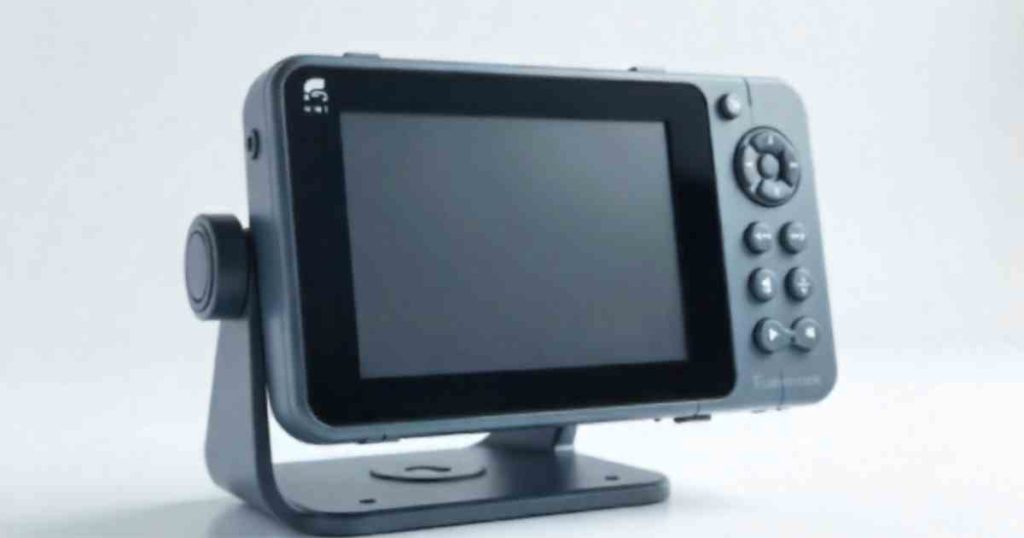
Today’s fishing gear includes amazing technology. Sonar, GPS, and advanced materials have led to a huge leap forward in the efficiency and effectiveness of fishing.
The development of advanced fishing gear technology continues to drive the fishing industry.
The Role of Sonar and GPS
Modern technology helps anglers find fish more easily. Sonar and GPS systems guide fishers to the best spots. This is extremely beneficial in both sport and commercial fishing.
- Sonar: Underwater sound waves help fishers “see” what’s below.
Sonar uses sound waves to “see” underwater. It can show the depth of the water, the structure of the bottom, and even the presence of fish.
This gives fishers a huge advantage in finding where the fish are hiding. It lets them see without actually seeing.
- GPS: Global Positioning System is used for navigation and tracking.
GPS lets fishers know where they are and where they have been. This is a very useful tool, enabling them to navigate to specific spots and keep track of their catches.
GPS makes fishing more organized and more efficient.
Advanced Fishing Rods and Reels
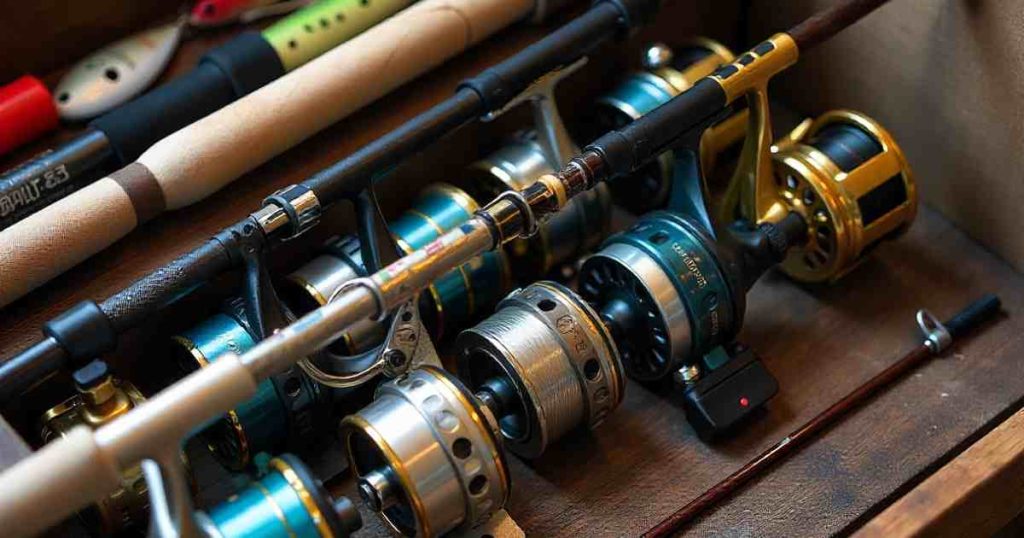
Modern fishing rods and reels are made from advanced materials, making them lighter, stronger, and more sensitive.
These innovations allow fishers to feel even the slightest bite. This makes it easier to reel in a catch.
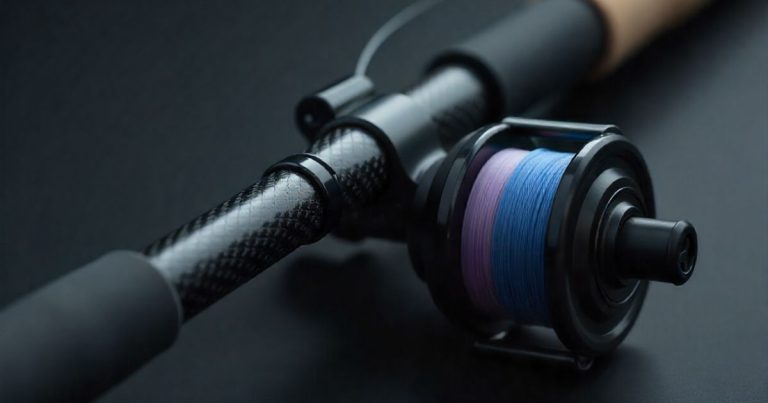
- High-Tech Rod Materials: Carbon fiber and other materials create lightweight, sensitive rods.
Modern rods use materials like carbon fiber. These rods are both light and strong. They also let you feel even the smallest movements. It increases your chances of catching a fish.
- Advanced Reel Designs: Spinning reels and baitcasting reels offer greater control and power.
Reels have also become very advanced. Modern reels provide lots of control. Baitcasting reels give you more power to reel in larger fish. Reels make the process of catching fish even easier.
Different Types of Fishing Gear
Different types of gear are designed for different fishing environments and species. Choosing the right gear is key for a successful fishing trip.
This highlights the adaptability that has been present in the evolution of fishing gear technology.
Gear for Different Environments
You wouldn’t use the same gear in a lake as you would in the ocean. Different environments call for specific equipment, ensuring that anglers can maximize their chances of success.
- Freshwater Gear: Designed for lakes, rivers, and streams.
Fishing in freshwater, like lakes and rivers, needs its own special gear. Rods and reels for this need to be the right size.
Lures and baits need to be the right ones for the freshwater fish that you are going after. It is important to know the fish, too, to choose the right gear.
- Saltwater Gear: Built to withstand the harsh conditions of the ocean.
Fishing in saltwater is different because the saltwater can ruin gear that is not made for it.
Saltwater rods and reels are made to resist the salt and the constant sun. Stronger lines and bigger hooks are often needed to target the ocean’s fish.
Gear for Different Species
Different fish require different gear. Some fish are big and need strong equipment, while others are small and need more delicate gear.
The right gear helps you land your catch. Gear is designed to match the specific characteristics and behaviors of different types of fish.
- Trout Fishing: Requires lightweight rods, small reels, and delicate lures.
Trout fishing needs light rods and small reels, plus very small lures. They are great for casting and can help you catch those faster fish. The right gear is important for trout fishing.
- Deep-Sea Fishing: Involves heavy rods, large reels, and strong lines.
Deep-sea fishing needs strong gear. Large reels and strong rods are needed to reel in larger fish. Special lures that can go deep are needed to bring these bigger fish to the surface.
Sustainability and the Future of Fishing Gear
As we learn more about the effects of fishing on our oceans, sustainability has become an important part of the evolution of fishing gear technology.
The development of eco-friendly gear, coupled with careful fishing practices, is key to protecting our marine resources.
Eco-Friendly Materials and Designs
The development of new materials and designs reduces the environmental impact of fishing. This includes biodegradable lines, and nets made from recycled materials.
- Biodegradable Fishing Lines: Lines that break down naturally, reducing pollution.
Biodegradable fishing lines are now available. These lines break down naturally over time. They help reduce the amount of plastic and pollution in the water. This benefits our ecosystems.
- Sustainable Net Materials: Nets made from recycled materials.
Recycled materials are being used to make fishing nets. This helps to reduce waste and create new nets. This is part of the work to promote a healthier environment.
Regulations and Sustainable Practices
Sustainable fishing practices help protect fish populations and ecosystems. Regulations on fishing methods and gear are important to help us keep fishing resources for a longer period of time.
- Selective Fishing Gear: Gear designed to catch specific fish, reducing bycatch.
Selective gear is designed to catch only the fish you want. This minimizes the risk of catching unwanted species. It also helps preserve fish populations.
- Catch and Release: Releasing fish back into the water to help maintain fish populations.
Catch and release fishing is an important practice. This allows you to catch fish but release them back into the water unharmed.
This way, the fish can live and reproduce. This is one way to keep our fisheries healthy.
According to a report by the Food and Agriculture Organization of the United Nations (FAO), about 34% of global fish stocks are overfished, meaning they are being caught faster than they can reproduce.
This emphasizes the need for sustainable practices.
The Economic and Environmental Impacts
Fishing gear has big effects on the economy and the environment. New gear can change the number of fish caught, and also the health of our oceans.
It is important to be aware of all the impacts that gear can have.
Economic Effects of Fishing Gear Technology
The fishing industry is a big part of the world’s economy. The gear itself contributes to the economy. It is important for us to recognize its impact on trade and livelihoods.
- Increased Efficiency: Advanced gear often results in bigger catches, boosting profits for commercial fishers.
Advanced fishing gear has made fishing more efficient, which means bigger catches and more money for commercial fishers. This also leads to more jobs in the fishing industry. This supports many communities.
- Job Creation: Gear manufacturing and fishing support many jobs.
The fishing industry creates lots of jobs, from making the gear to the people that fish. It also includes the transportation and the selling of fish. This makes fishing a big part of the economy.
| Impact | Description |
|---|---|
| Increased Profits | More efficient gear leads to higher catch rates. |
| Market Expansion | New technologies facilitate access to broader markets. |
| Increased Demand | Increased fishing capacity meets the rising demand for seafood. |
Environmental Impacts of Fishing Gear Technology
Fishing gear has both positive and negative effects on the environment. It is important to look at both sides. We must use gear responsibly and protect our oceans.
- Bycatch: Unintended catch of non-target species.
Bycatch is a problem. It means catching fish and animals that you did not mean to catch. This can lead to harm for different species. This is why using selective fishing gear is important.
- Habitat Destruction: Some gear can damage marine environments.
Some types of gear can damage the ocean floor and habitats. For example, bottom trawling can destroy coral reefs. To fix this, it is important to find different ways to fish that do not hurt the habitats.
Frequently Asked Questions of The Evolution of Fishing Gear Technology Through the Ages
What was the first fishing gear made from?
The earliest fishing gear was made from natural materials, such as bone, wood, stone, plant fibers, and animal sinew.
How did the Industrial Revolution change fishing gear?
The Industrial Revolution brought about new materials like steel and synthetic fibers, plus improved manufacturing methods.
What is sonar used for in fishing?
Sonar uses sound waves to u0022seeu0022 underwater, helping fishers locate fish and understand the underwater environment.
What are some examples of sustainable fishing practices?
Some examples include using selective fishing gear, practicing catch and release, and using eco-friendly materials.
Why is choosing the right fishing gear important?
Choosing the right gear is key because it improves your chances of catching fish and impacts the fishing industry’s effect on sustainability.
Final Thoughts
The journey of the evolution of fishing gear technology is a fascinating story of human ingenuity. From simple beginnings to complex technological advancements, fishing tools have transformed over time.
Understanding this history gives a greater appreciation for the fishing experience. You can see how technology has improved fishing, allowing people to catch fish more effectively, and how this has changed the way we interact with the natural world.
As we look ahead, the story of fishing gear will likely continue to unfold, driven by the need for efficiency, sustainability, and respect for our oceans.
This can involve new materials, innovations, and strategies for sustainable practices. By knowing the history and present state of fishing gear, you are better equipped to enjoy the sport.
By supporting sustainable practices, you can have a positive effect on the future of fishing. Embrace the adventure.